How to Support a Depressed Family Member Without Making It Worse
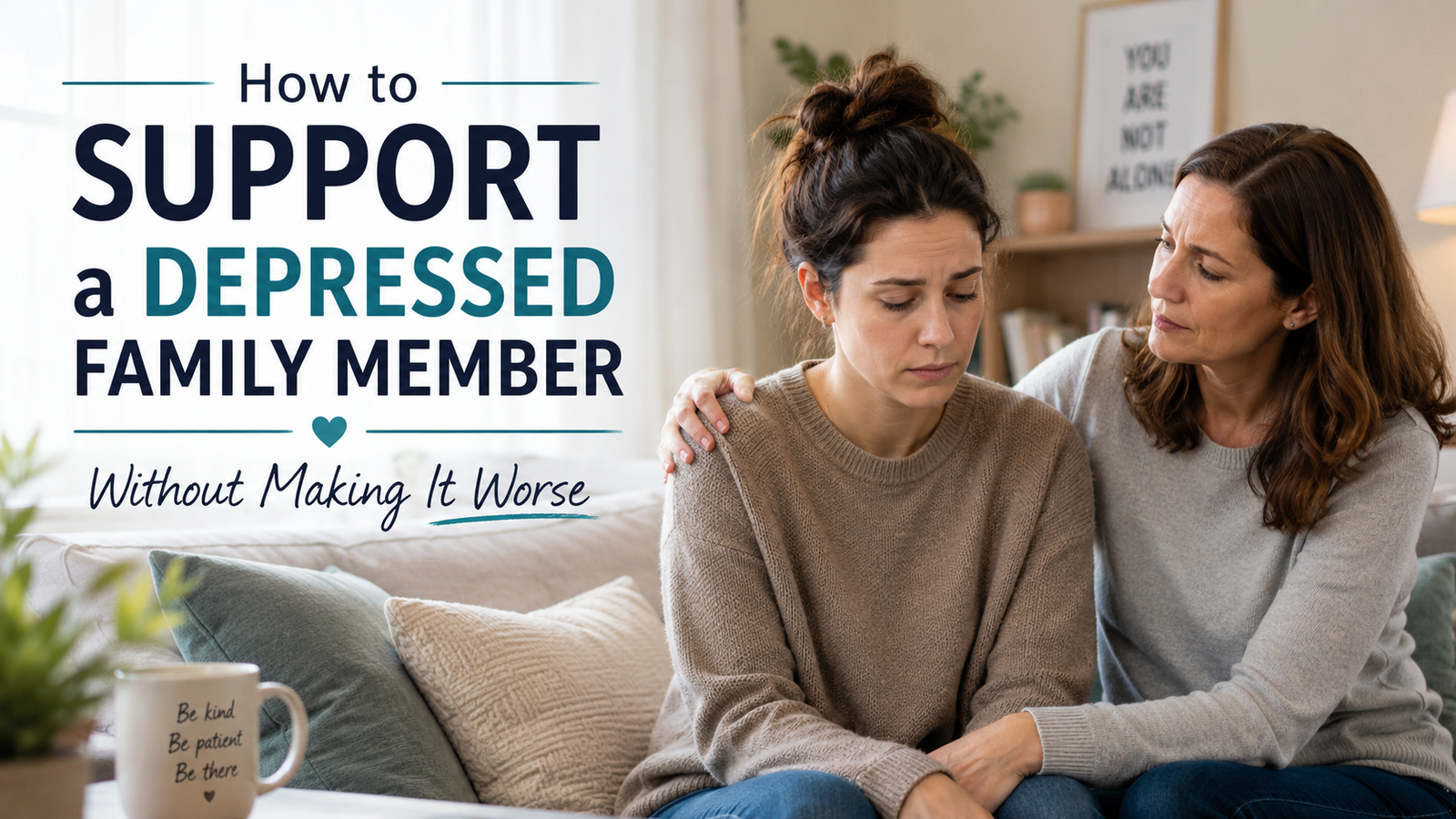
You can see that something is wrong. They have stopped eating properly. They are not sleeping. They do not want to talk, or they talk in circles, returning to the same dark thoughts. You love them deeply and you want to help — but every time you try, it seems to land wrong.
Supporting a family member with depression is genuinely difficult. Not because you are doing it wrong, but because depression is not a problem that responds to the usual tools of love: reassurance, encouragement, advice, practical help. It requires something different — and most of us were never taught what that is.
This guide is for Muslim families navigating this. It covers what actually helps, what tends to make things worse — even when well-intentioned — and what to do when the situation is beyond what family support alone can hold.
First: understand what depression actually is
Depression is not sadness. It is not ingratitude. It is not a sign of weak faith. It is a medical condition that affects how the brain processes emotion, motivation, thought, and physical sensation. A person with depression is not choosing to feel this way any more than a person with a broken leg is choosing not to walk.
This matters because many of the unhelpful responses families give come from misunderstanding the nature of the condition. When you understand that depression changes brain chemistry and distorts perception, you stop expecting the person to “snap out of it” — and you start responding to what is actually happening.
What genuinely helps
Presence without pressure. One of the most powerful things you can offer is simply being there without requiring anything in return. Sit with them. Watch something together. Be in the same room. You do not need to fix anything. Depression is isolating, and physical presence — even quiet presence — counters that isolation.
Listening without redirecting. When someone shares something painful, our instinct is to offer a counter-narrative: “But you have so much to be grateful for,” or “Have you tried making more dua?” These responses, however loving, communicate that their pain is wrong or inconvenient. Just listen. Reflect back what you hear. “That sounds exhausting. I am sorry you are carrying this.” That is enough.
Practical, specific help. Depression makes the smallest tasks feel enormous. Instead of “let me know if you need anything” — which puts the burden on them — offer something specific: “I am making dinner tonight, I will bring some for you,” or “I will come with you to the appointment.” Specificity removes the need for them to ask.
Consistency over intensity. A single grand gesture matters less than showing up regularly in small ways. A daily check-in message. A weekly visit. Consistent, low-pressure contact tells the person they are not forgotten and not a burden.
Encouraging professional support — gently, more than once. You are not equipped to be your family member’s therapist, and you should not be. Gently encourage professional help. Offer to help find someone, to research options, to accompany them. If they refuse at first, mention it again later without pressure. It sometimes takes several conversations before someone is ready.
What tends to make things worse
These are common responses that come from love but often backfire:
“Just make more dua / read more Quran.” Faith practices are genuinely valuable for mental health. But when offered as the only or primary solution to clinical depression, they can communicate that the person’s suffering is a sign of spiritual failure. This adds shame to pain — which deepens depression. Encourage both faith and professional support together.
“Others have it worse.” This invalidates the person’s experience without helping them feel better. Suffering is not a competition. Knowing others suffer more does not reduce one’s own pain.
“You need to push yourself.” Motivation is one of the first casualties of depression. Telling someone who cannot get out of bed to push themselves is like telling someone with a broken arm to lift more. It misunderstands the nature of the illness.
Making it about yourself. “It hurts me to see you like this,” or “I do not know what I am doing wrong” shifts the emotional weight onto the person who is already struggling. They may end up managing your feelings alongside their own.
Removing their agency. Deciding what is best for them, telling other family members without permission, or forcing them into decisions — even with good intentions — can damage trust and increase the sense of helplessness that depression already creates.
A note for Muslim families specifically
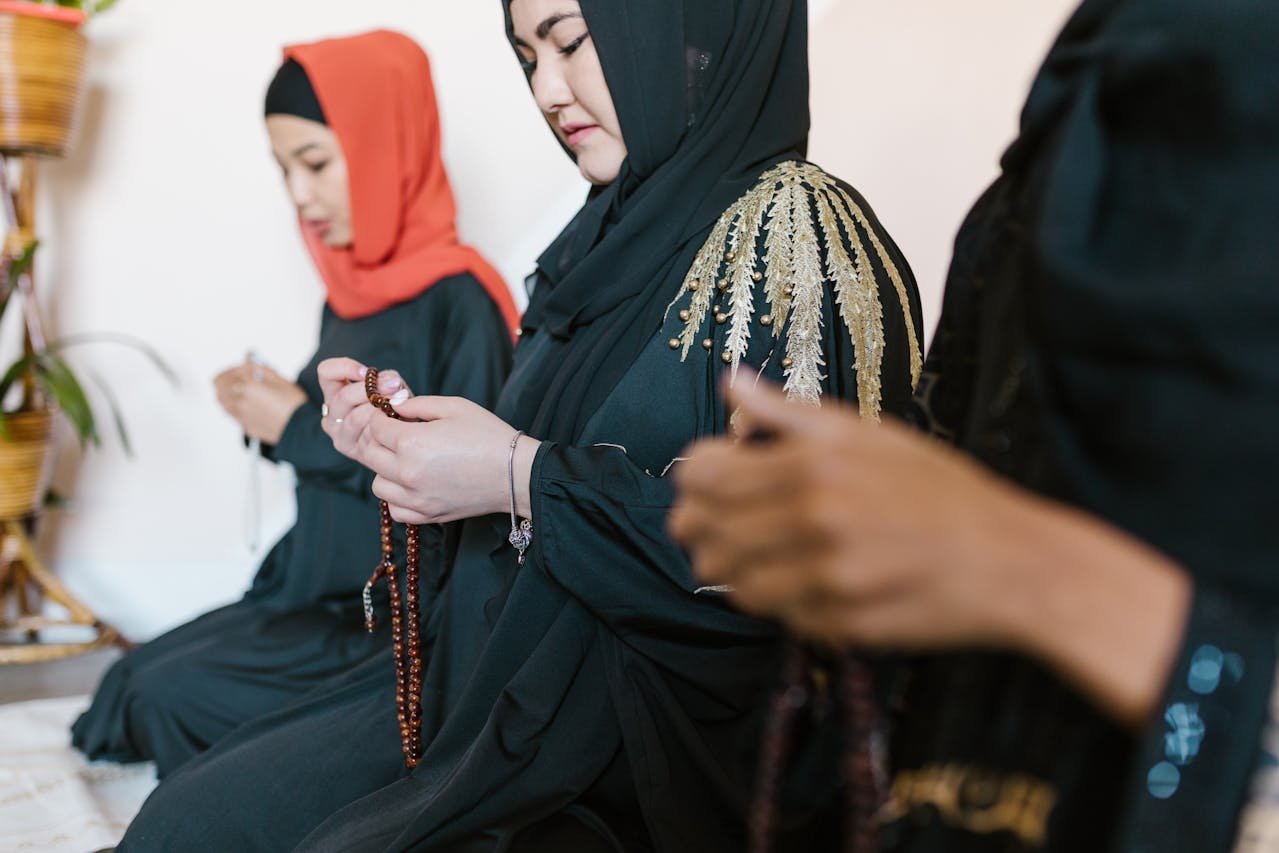
In many Muslim communities, mental health struggles carry stigma. There may be family pressure to keep things private, reluctance to seek outside help, or a belief that faith alone should be sufficient. These cultural dynamics can make an already difficult situation harder.
If you are navigating this in your family, know that seeking professional help is not a betrayal of your deen. It is the Islamic principle of taking the means available to you. The Prophet (peace be upon him) instructed his followers to seek treatment: “Make use of medical treatment, for Allah has not made a disease without appointing a remedy for it.” (Abu Dawud)
Mental illness is an illness. Treatment is its remedy. Faith supports and sustains — it does not replace medical care.
When family support is not enough
There are situations where professional support is urgent:
- The person has expressed thoughts of suicide or self-harm
- They are unable to care for themselves — not eating, not washing, not leaving their room
- Depression has persisted for several weeks with no improvement
- Their functioning at work, school or in relationships has significantly broken down
In these cases, do not wait. Encourage them to see a doctor or therapist as a matter of urgency. If there is immediate risk of harm, contact emergency services.
Take care of yourself too
Supporting someone with depression is emotionally demanding. You cannot pour from an empty cup. Set limits on what you can give, allow yourself to grieve the version of your loved one you are missing, and seek your own support — whether from trusted friends, a counsellor, or your community.
Your wellbeing matters too. Caring for it is not selfish. It is what makes sustained support possible.
We can help you find support
Whether you are the one struggling or supporting someone who is, Lumosouls connects you with vetted Islamic psychologists and counsellors who understand your context. Confidential, online, matched within 48 hours.

